Deepening Ties Between Local Ag, Local Markets, and Local Need
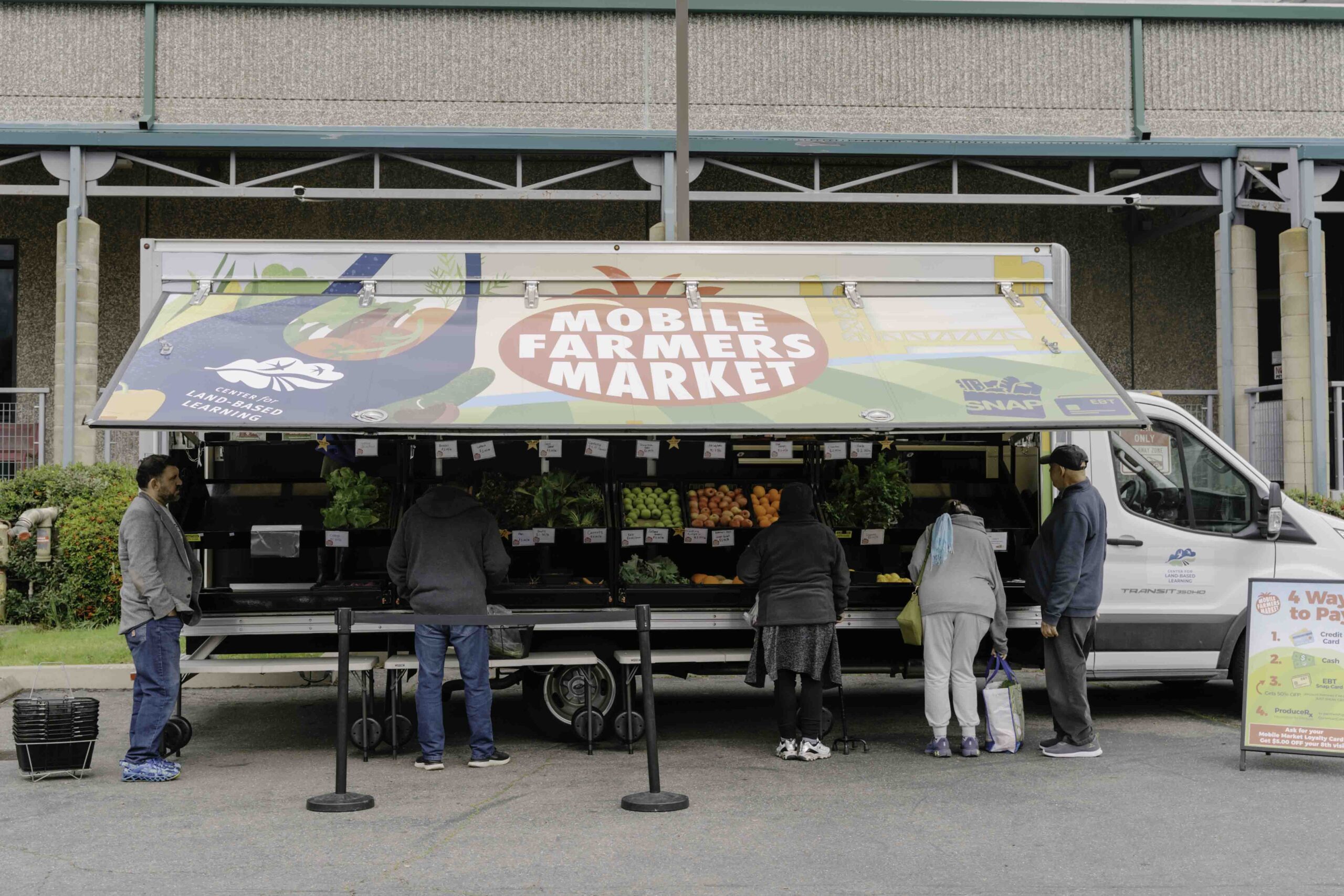
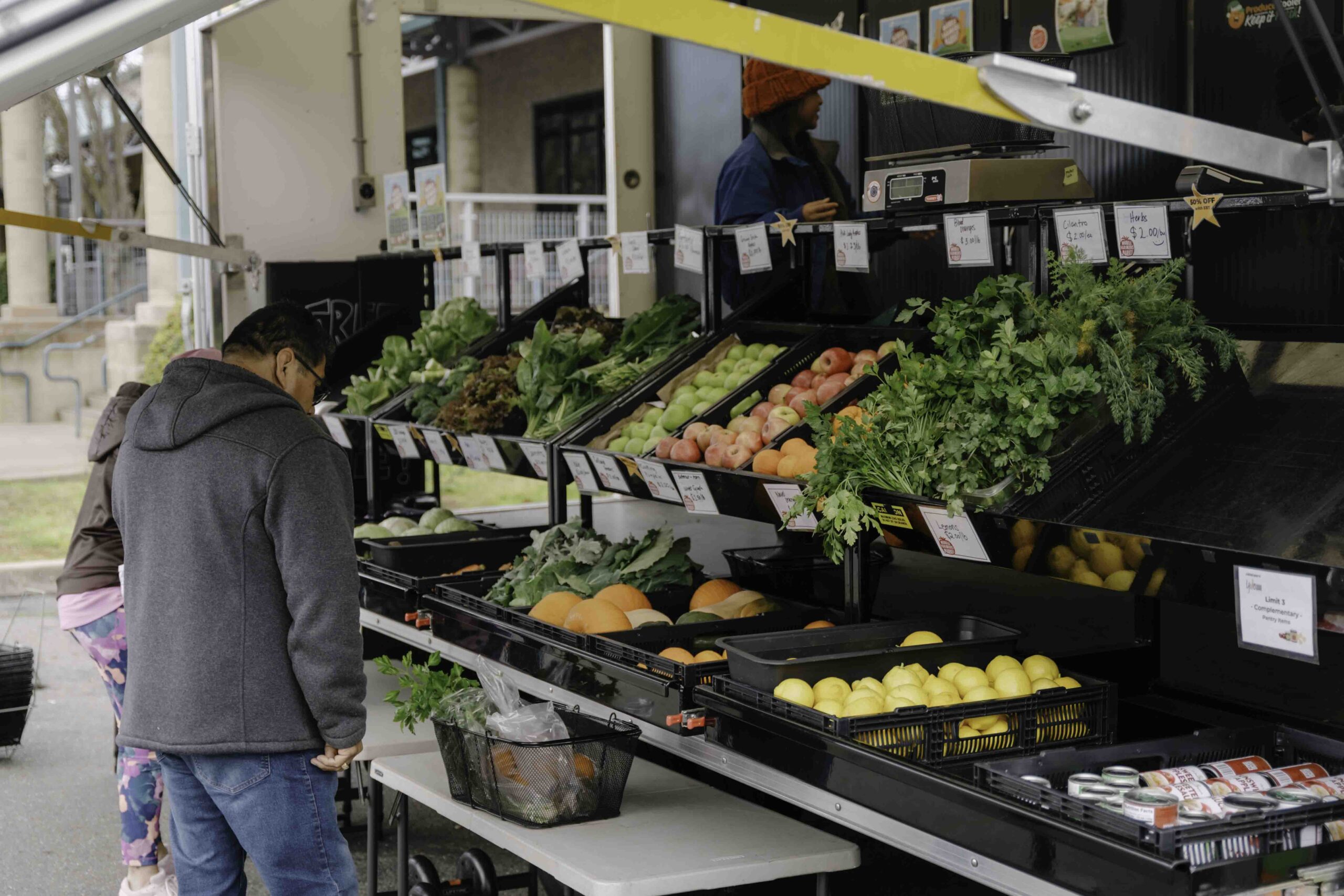
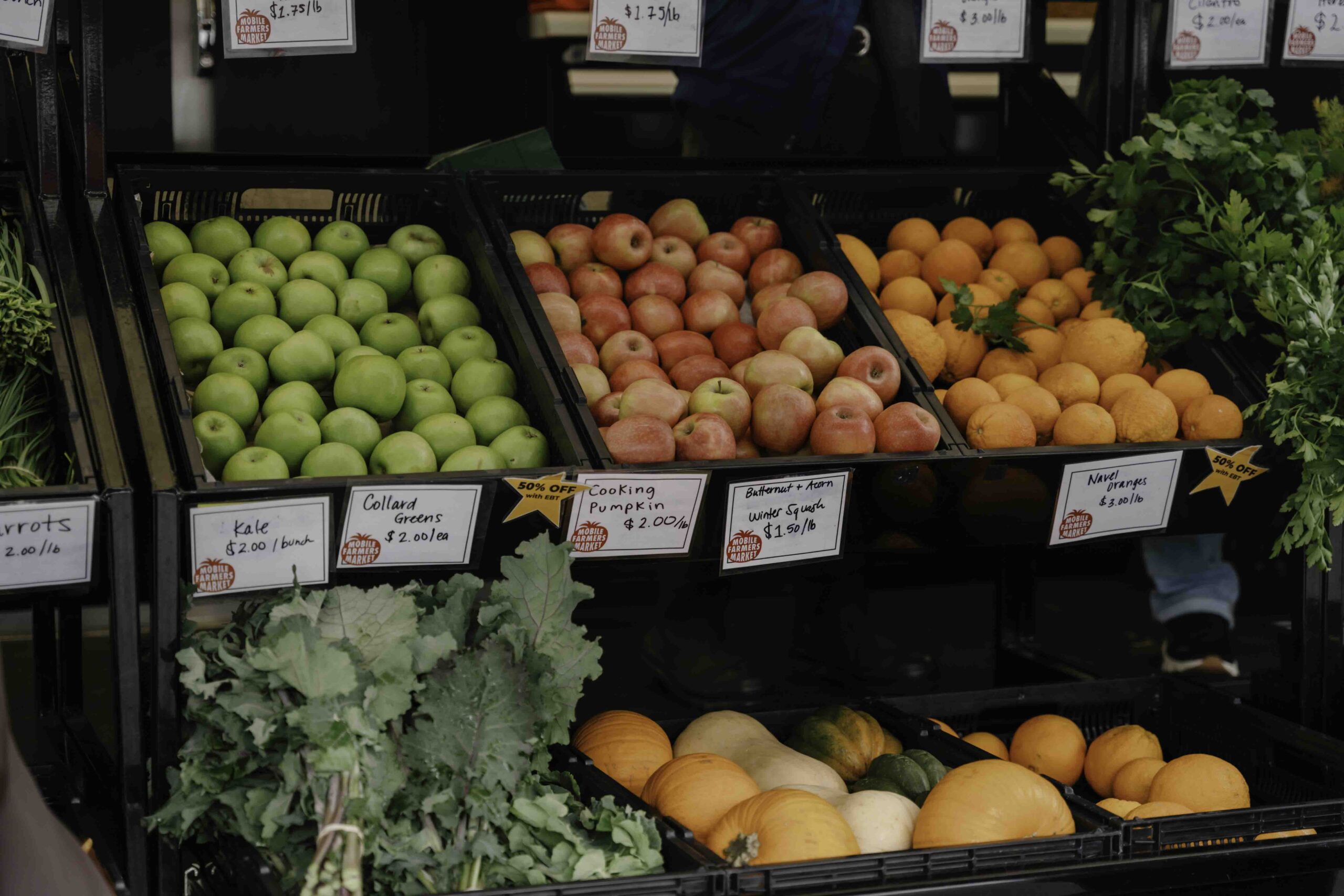
When a Mobile Farmers Market truck stops in Yolo County, people can expect an experience that goes beyond typical produce shopping. The experience includes information about the local farmers that grow food for the traveling market and exposure to hard-to-find produce, like bitter melon, okra, or Afghan chives.
“Working on the truck is fun. It’s one of my favorite things to do,” Serena Davini, Coordinator for the Center for Land-Based Learning (CLBL)’s Community Food Program, said. The organization runs the Mobile Farmers Market, with two trucks making stops at schools and senior housing sites in Woodland, Esparto, Knights Landing, and West Sacramento.
Established more than 30-years ago, the Center for Land-Based Learning operates agriculture programs in 23 counties statewide. In Yolo County, where the nonprofit is based, the Community Food Program provides economic opportunities for start-up farmers, greater food system knowledge, and access to healthy food.
“It’s very important that we continue to sustain a local, thriving food system that is resilient,” Christopher Wong, Manager of the Community Food Program, said. “Beginning farmers and small farmers lack access to land, to capital, and to markets.”
The program encompasses two farming spaces in Yolo County—the 30-acre Maples Farm that sits on CLBL’s headquarters in Woodland, and Riverfront Farm—a demonstration urban farm in West Sacramento. Through their Farm Business Incubator program, new farmers have access to low-cost plots at either location, as well as education and mentorship, access to equipment, and a direct line to customers. About a third of the produce available from the Mobile Farmers Market is grown at Riverfront Farm.
“They needed a spot to sell their produce,” Serena said. “The Mobile Farmers Market just blossomed out of that.”
Citing the county’s high food insecurity rate, Chris said it was equally important to “increase the accessibility of locally grown produce via the market to low-income, low-access residents in the area.”
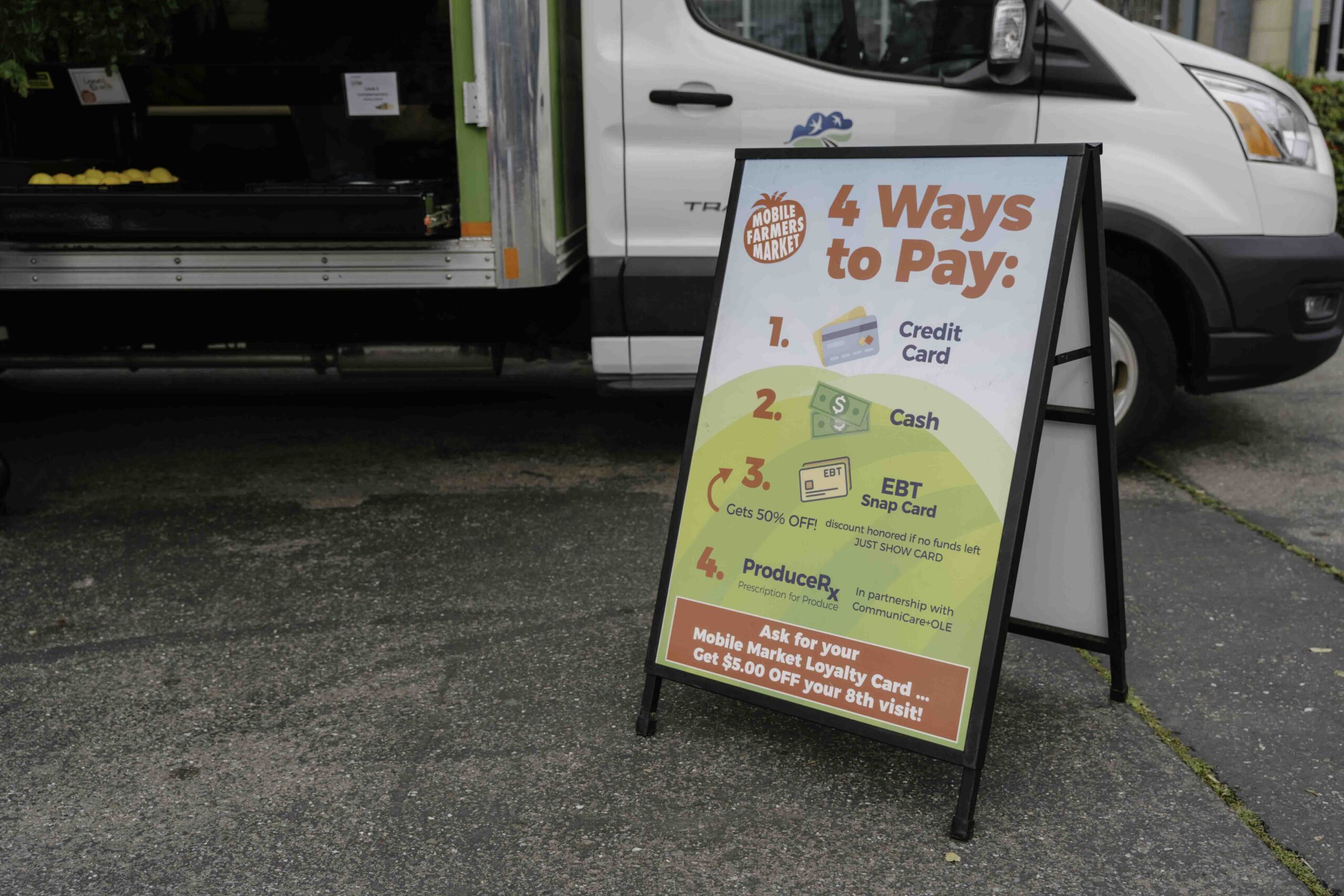
The trucks also offer pantry staples like beans, rice, pasta, sauce, and protein that they purchase from the Yolo Food Bank and receive through large donations from Pacific Coast Producers and Lundberg Family Farmers. People can pick up these staple items for free. Through the statewide Market Match program, SNAP/EBT recipients’ dollars stretch twice as far when purchasing from the trucks, and if those benefits run out, Match Plus—a program exclusive to the Mobile Farmers Market—fills that gap thanks to generosity from CLBL donors.
For community members looking to engage with the Mobile Farmers Market, the Community Food Ambassadors program provides an opportunity for volunteers to work on the trucks and share the word about their services.
A recent partnership between West Sacramento Rotary, the Sacramento Tree Foundation, and CLBL to plant fruit trees near Westfield Village Elementary School shows the impact of organizations’ innovative efforts. With a grant from Sacramento Sewer District, they planted 100 fruit trees along six blocks in West Sacramento, creating a community food forest.
Volunteers and donations, as well as potential partnerships, are vital as CLBL’s Community Food Program’s future becomes uncertain. With U.S. Department of Agriculture grant funding coming to a close, “we are looking everywhere and anywhere now for funding,” Chris said.